Eurocontrol
Eurocontrol is a pan-European organization based in Brussels that is responsible for ensuring safe and seamless civil and military air traffic management and air traffic control for both planes and drones across Europe. The organization includes 42 member states.
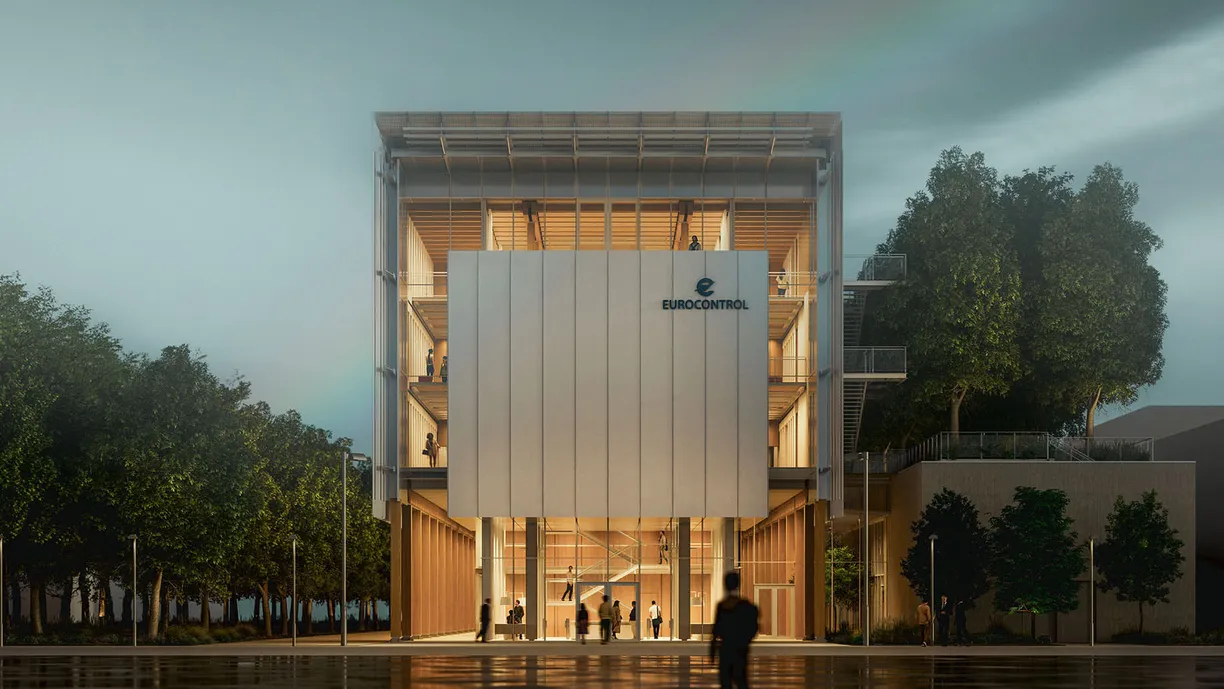
In 2023 RPBW won the design competition to design the Innovation Hub in Saclay, France. The new project will provide office spaces, simulation test centers, and event spaces, that will vastly improve the working conditions for the locally based and in training staff as well as for international delegates.
As one of the first buildings to emerge in the new Corbeville district, it becomes both a threshold and a signal: a welcoming gateway and a lasting emblem for a neighborhood shaped by its gaze toward the future.
The project is due for completion in 2028.
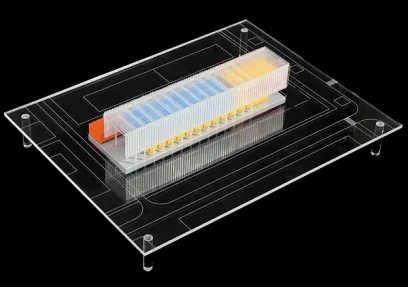
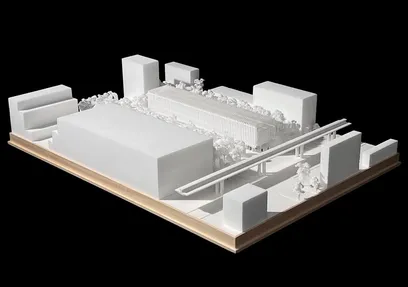
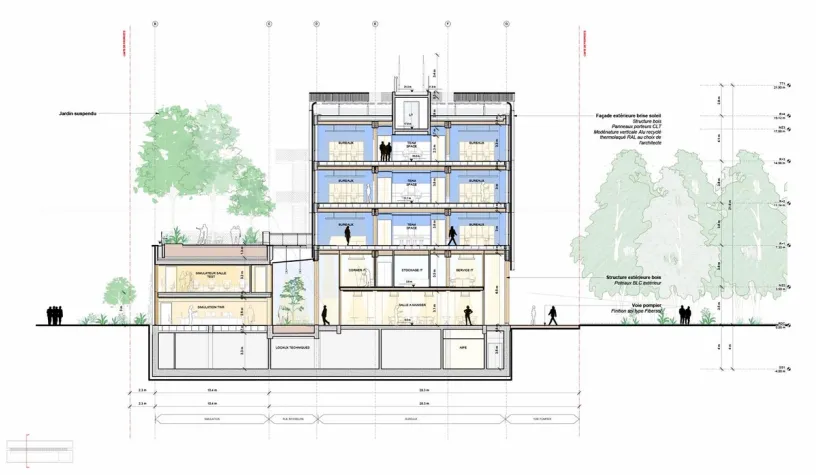
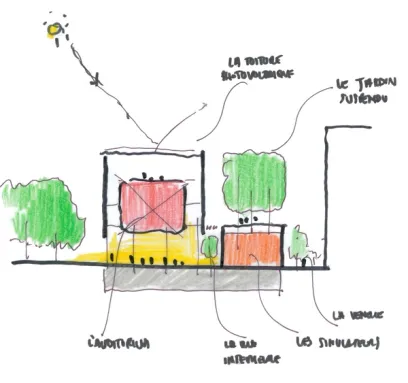
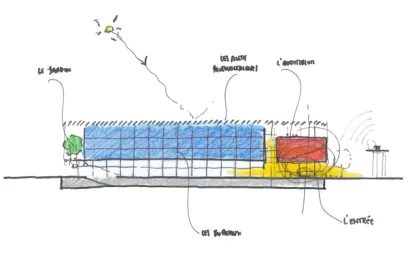
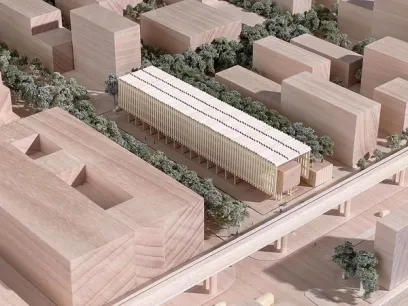
General plan: Open Spaces, Exceptional Facilities, and a lot of Greenery
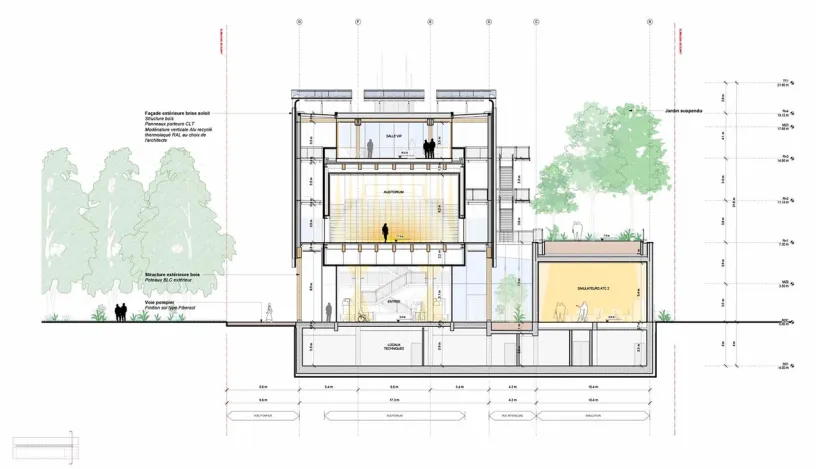
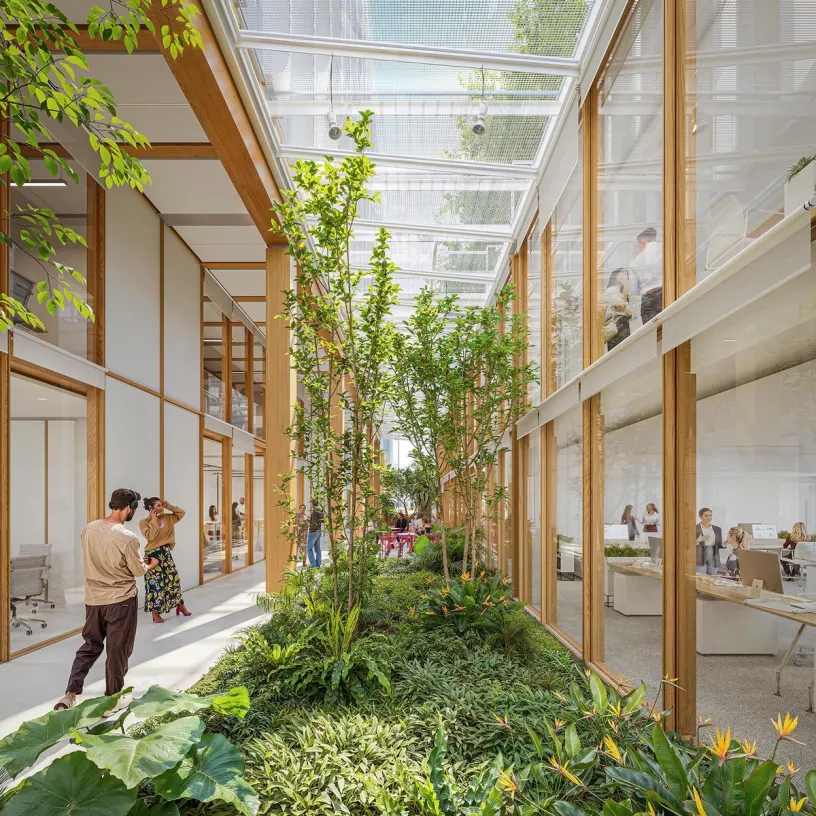
The ground floor entrance is accessible from the north, overhung by the auditorium space (144 seats). An “interior street” links different areas, doubling as a buffer zone between spaces. This throughway, overhung by a luminous glass roof, leads to the blackout simulation center at the back of the building, adjoined by conference rooms for briefings. The simulation center is heavily regulated to control noise and temperature within its double concrete walls, allowing ongoing aviation protocols to be tested under the very best conditions.
The open plan office spaces instill an appealing spatial receptiveness - no density, no discomfort. Given the modular structure, sub-units can be refashioned as needed for privacy. The tree-dense garden at the back of the building, located on its south-facing side, is a calming space for office personnel’s leisure time and breaks.
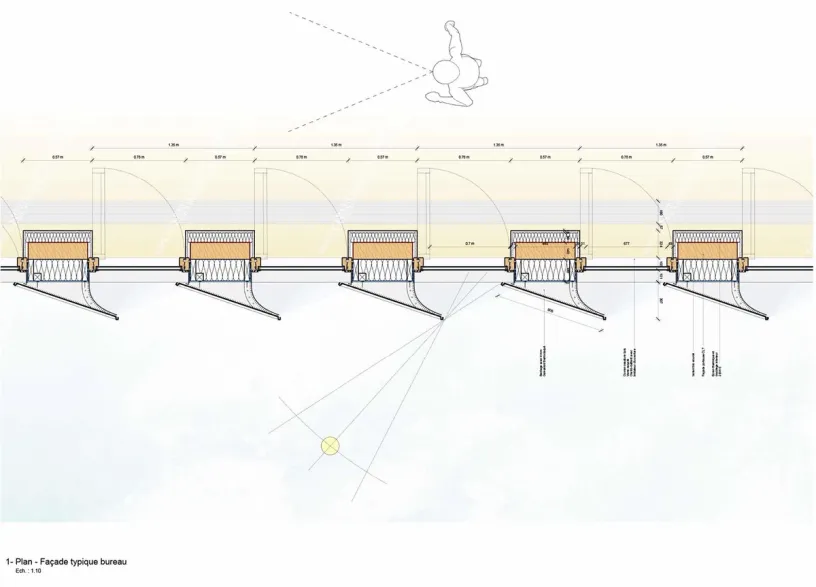
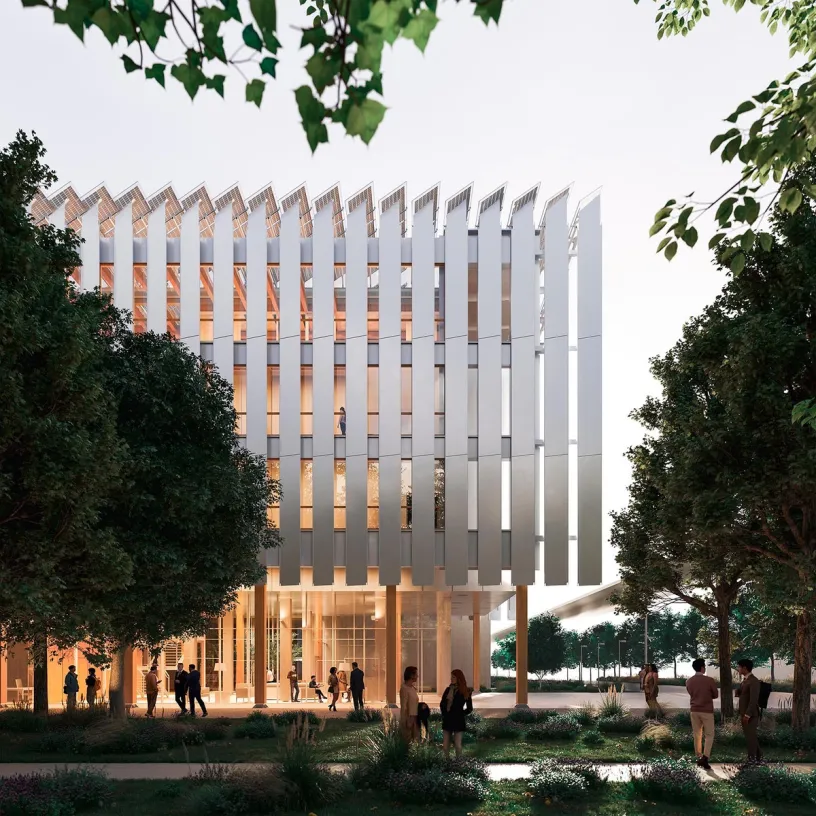
Sustainable Structures and a Canopied Photovoltaic Roof
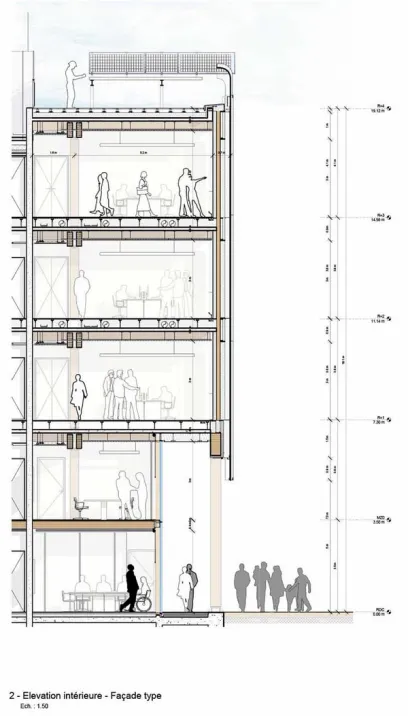
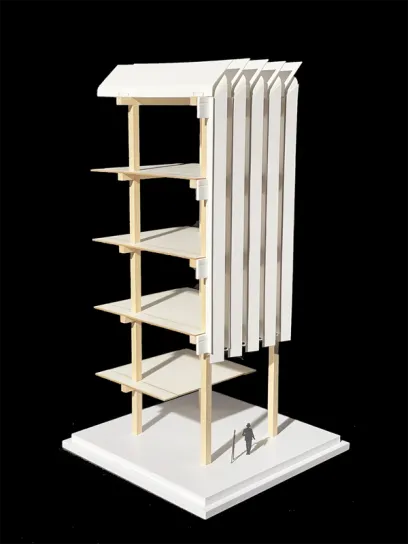
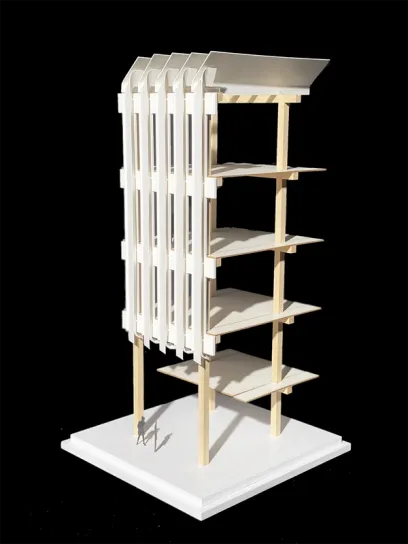
The building, which extends 100 meters in length, has ambitious environmental objectives. For carbon and thermal reasons, the structure was built with pergolas of angled laths that filter in the northern light and block any southern glare inside. There are no operational mechanisms in place - it is a “passive” system that eliminates maintenance issues and improves environmental performance while reducing carbon footprint. Although only 30% of the facade is vision glass, there is a porous sense of transparency throughout. The traversing east/west light filters through the thick greenery lining the building.
Photovoltaic panels are angled, like a shed roof, in continuity with the facade.
The volume hosting the simulation building below supports a suspended garden with 12-to-15-meter tall trees planted in 1.20 meters of soil. The trees offer shade and help lower the overall temperature as seasonal temperatures rise.
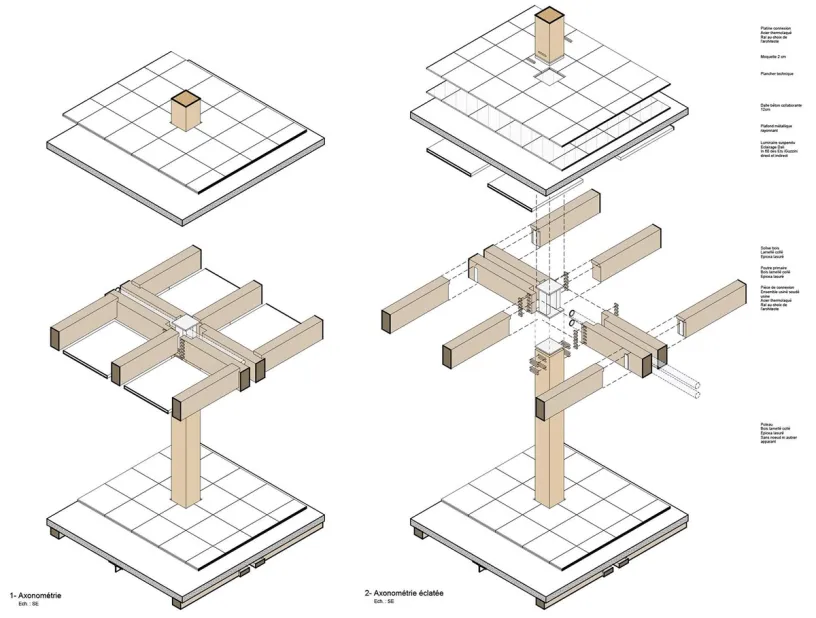
Under the zeppelin-like aluminum shell of the exterior, the interior offices are anchored by an efficient design based on lightness and transparency. The structural system is articulated in light wood - the laminated beams and columns are deployed in a regular grip pattern, creating a rhythmic and natural atmosphere thanks to the nobility of the material. The warmth of the wood pairs harmoniously with the hospitable nature of the open spaces.
Project Details
Status
Client
Eurocontrol
Design
Renzo Piano Building Workshop, architects
Design Team
D.Franceschin (partner in charge)